
Many brain tumors are fatal, and little progress in therapy has been made over the past few decades. This underscores the urgent need for new approaches. A study by the Department of Neurology at the University Hospital Zurich (USZ) is taking a new and innovative path with "pharmacoscopy".
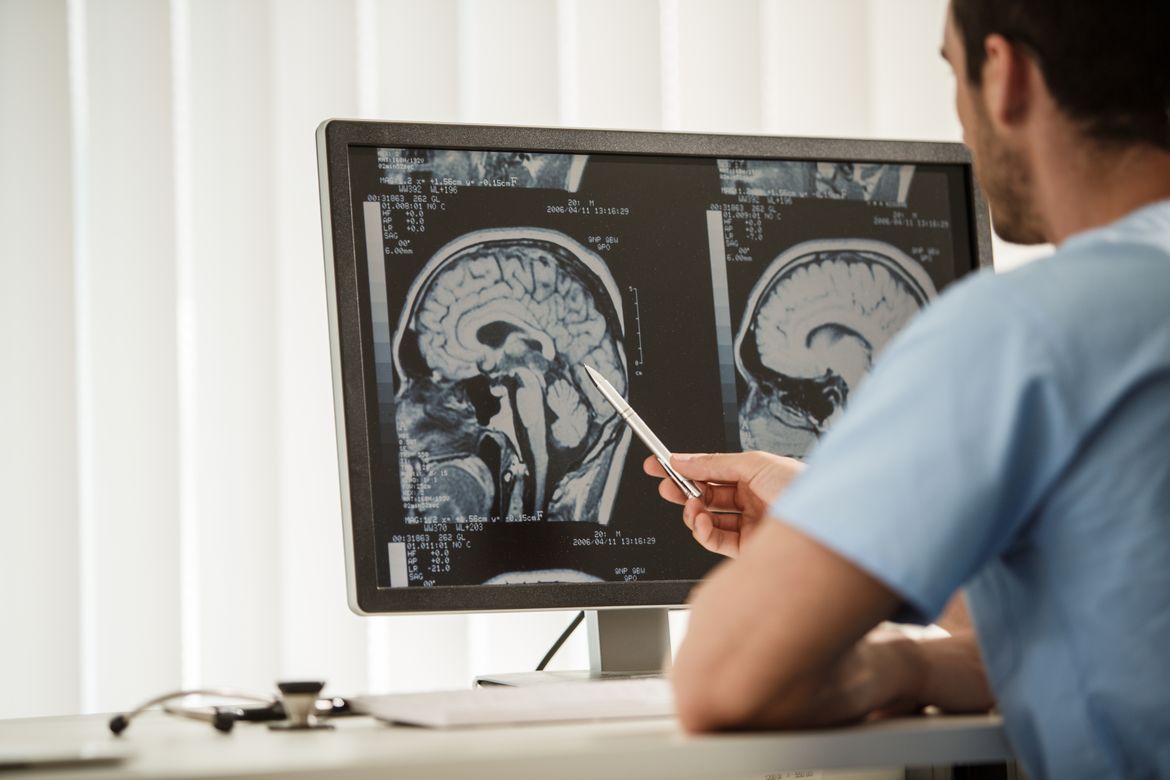
Glioblastoma, the most common malignant brain tumor, is highly aggressive and, so far, incurable. Each year, around 620 people in Switzerland are diagnosed with a malignant brain tumor, and about 250 people are diagnosed with glioblastoma – and numbers are rising. Surgery, chemotherapy or radiation often prove futile. Around half of patients succumb within the first few years of their diagnosis. Additional treatment options are urgently needed to improve the survival rates of those diagnosed with brain tumors.
The research team led by Prof. Michael Weller and Dr. Tobias Weiss, in collaboration with Prof. Berend Snijder’s team from ETH Zurich, has developed an innovative therapy for people with incurable brain tumors – pharmacoscopy. This precision medicine approach involves examining tumor tissue to determine which drugs could potentially inhibit the growth of cancer cells. Almost one hundred drugs already approved on the Swiss market are being tested.
"The discovery and development of new indications for proven medications can play a key role in opening up innovative treatment options. This gives many patients new perspectives on health and quality of life."
Dr. med. Daniel Vasella, former Chairman of the Board and CEO of Novartis AG
However, drug treatment of brain tumors faces a major challenge. Many cancer drugs are ineffective because they can’t cross the so-called blood-brain barrier. This filtering layer of cells regulates the flow of substances to the brain and prevents harmful substances from entering the brain tissue. Pharmacoscopy focuses on drugs that are known to pass through this barrier and reach the brain. These are mainly drugs used to treat neuropsychiatric diseases such as epilepsy, depression or schizophrenia.
Previous studies in animal models have already produced promising results and identified medications that can be used to treat brain tumors. The findings were published in November 2024 in the prestigious journal Nature Medicine (download here). Researchers will now carry out a clinical study with patients to test and confirm the efficacy of this approach.
"Our therapy aims to significantly improve the quality of life of patients and their families. Thank you for supporting this important and innovative research."
Prof. Dr. Michael Weller, Director, Department of Neurology
Brain tumors can affect people of all ages, including children. Given the poor outlook, the burden on those affected is heavy. Pharmacoscopy aims to be the first breakthrough in the treatment of brain tumors in decades and contribute to a long-term paradigm shift.
The innovative approach of pharmacoscopy could also be used for other difficult-to-treat diseases – both oncological and non-oncological – whenever cell culture models can be established to test drugs.