

Life changes abruptly after a spinal cord injury. In addition to visible limitations in mobility, bladder dysfunction often occurs, which can severely impair daily life and quality of life and even lead to kidney failure. Now, research is offering new hope through a nationwide study in Switzerland.
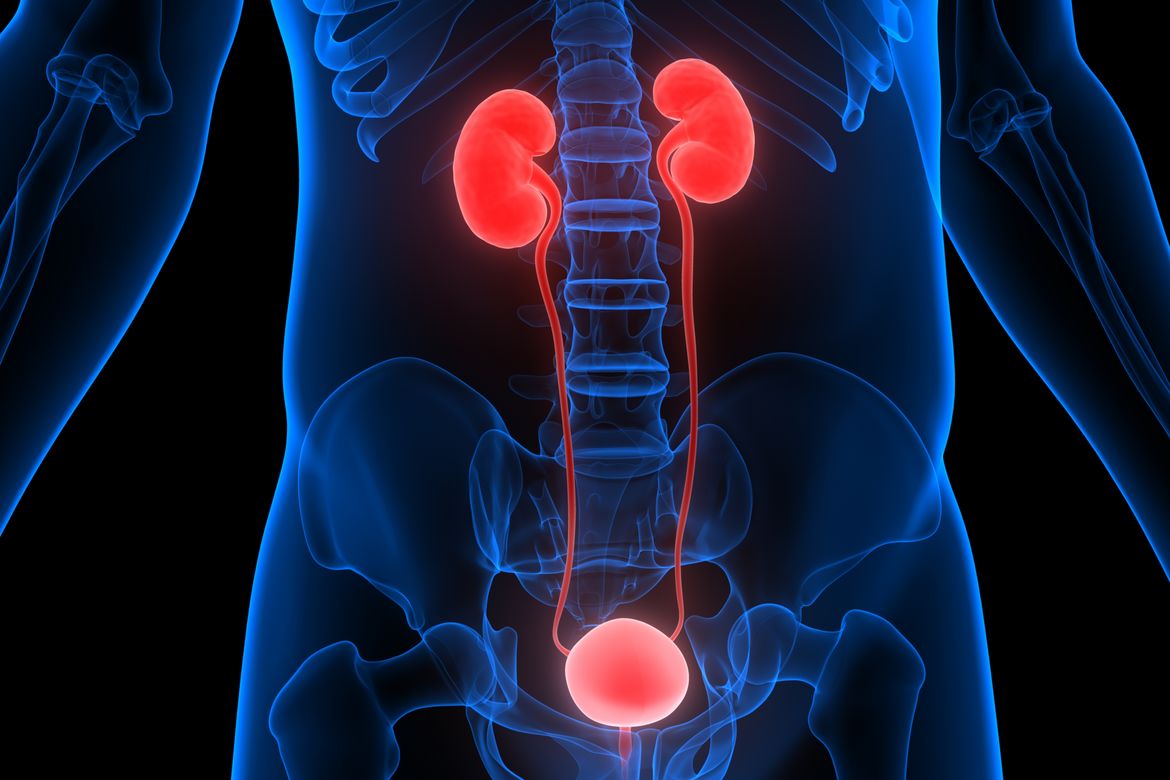
Bladder function is controlled by complex neural pathways connecting the brain, spinal cord, and urinary tract. After a spinal cord injury, this communication can be disrupted, leading to a condition known as neurogenic bladder.
In healthy individuals, complex neural pathways between the brain, spinal cord, and bladder control bladder storage and emptying. If the spinal cord is injured, this coordination is also impaired. The consequences include reduced awareness of bladder fullness, impaired reflexes, incomplete bladder emptying, and long-term damage to the urinary tract. Currently, treatment is usually only initiated once complications have already arisen. Furthermore, existing therapies are often insufficiently effective or associated with significant side effects. Researchers now aim to change this.
The TASCI study (“Transcutaneous tibial nerve stimulation in patients with acute spinal cord injury to prevent neurogenic detrusor overactivity”) investigates whether early neuromodulation can prevent the development of severe bladder dysfunction. Specifically, the study uses a technique known as transcutaneous tibial nerve stimulation (TTNS).
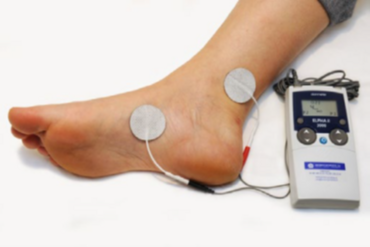
The study investigates whether stimulating the tibial nerve in the leg, which is connected to the neural centers responsible for bladder control, can help stabilize bladder function.
In this procedure, the tibial nerve is stimulated with gentle electrical impulses to preserve the relevant reflexes, which can still reorganize themselves in the immediate period following the accident. At the same time, the nerve pathways are to be modulated so that they can continue to control bladder function. Rather than treating the damage that occurs later due to bladder dysfunction, the study takes a preventive approach: bladder function is to be stabilized immediately after the injury to avoid irreversible complications.
The study is led by UZH Professor Thomas M. Kessler, MD, at the Balgrist University Hospital in Zurich. All paraplegia centers in Switzerland are participating, namely the Swiss Paraplegic Center in Nottwil, REHAB Basel, the Clinique Romande de Réadaptation in Sion, and the Balgrist University Hospital.
The TASCI study not only examines the effectiveness of neuromodulation but also analyzes neuro-urological data, MRI images, and biological samples. This yields new insights into the communication between the brain and the bladder. This knowledge is also significant for other neurological conditions such as multiple sclerosis, stroke, Parkinson’s disease, or spina bifida.
If transcutaneous tibial nerve stimulation succeeds in maintaining key reflexes via specific nerve pathways—reflexes that are crucial for the coordination of the bladder and sphincter—this could usher in a paradigm shift in the treatment of bladder dysfunction following spinal cord injury—moving away from a reactive therapy toward a preventive approach. The aim is to prevent secondary complications and improve the quality of life for those affected.

“Thanks to the TASCI study, I have the opportunity to try a therapy at an early stage and reduce the risk of long-term health complications, including kidney damage."
Delia Guggenheim, Study Participant (Photo: Urs Jaudas)
Part of the study costs is covered by the Swiss National Science Foundation and the Swiss Paraplegic Foundation. However, in order to complete the research project, we are in need of additional financial support.
With your donation, you will help prevent complications such as kidney failure, improve the quality of life for those affected, and open up new avenues in neuro-urology.
